Sole Trader Tax Return Explained: A Complete Guide
By admin February 24, 2026
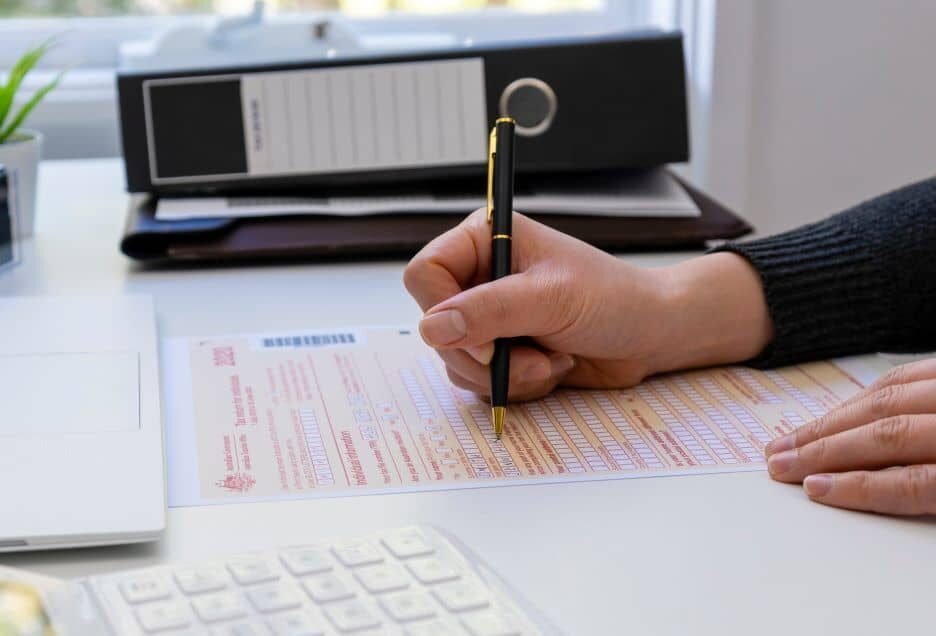
Running a business as a sole trader requires skill, focus, and dedication. However, tax compliance is often the most challenging part. While it may seem overwhelming at first, understanding the basics can make lodging your tax return much easier — and help you maximise your refund.
This guide covers everything you need to know about sole trader tax returns in Australia.
What This Guide Covers
How to lodge a sole trader tax return
How income tax is calculated
What counts as taxable income
Sole trader tax rates
Estimating your income
Personal Services Income (PSI)
GST and BAS requirements
Example tax return calculation
Tips to maximise your refund
FAQs
How to Lodge a Sole Trader Tax Return
Good record-keeping is the foundation of a smooth tax return process. Keep invoices, receipts, and financial documents organised — either digitally or in a secure location.
Key Steps:
Understand your business structure (sole trader)
Estimate your taxable income
Keep accurate records of income and expenses
Track PAYG instalments (if applicable)
Lodge your Business Activity Statement (BAS) if registered for GST
Ensure GST invoices are correctly formatted
Staying organised throughout the year prevents last-minute stress.
How Income Tax Is Calculated for Sole Traders
As a sole trader, your business income is treated as your personal income. You pay tax at individual income tax rates after deducting allowable business expenses.
Taxable Income Formula:
Total Business Income – Allowable Deductions = Taxable Income
For example: If your business earns $100,000 and your expenses are $20,000, your taxable income is $80,000.
Sole Trader Tax Rates (2023–24)
These rates apply to Australian residents for tax purposes:
Taxable Income
Tax Payable
$0 – $18,200
Nil
$18,201 – $45,000
19c for each $1 over $18,200
$45,001 – $120,000
$5,092 + 32.5c per $1 over $45,000
$120,001 – $180,000
$29,467 + 37c per $1 over $120,000
$180,001+
$51,667 + 45c per $1 over $180,000
You may also need to pay the 2% Medicare Levy.
Estimating Your Income as a Sole Trader
Since income can fluctuate, estimating your earnings is important.
Practical Methods:
Use previous years’ income as a guide
Slightly overestimate to avoid unexpected tax bills
Make quarterly PAYG instalments
Overestimating creates a financial safety net — underestimating can lead to large tax liabilities.
What Is Personal Services Income (PSI)?
Personal Services Income (PSI) is income earned mainly from your personal skills, labour, or expertise.
If more than 50% of your income is generated from your personal effort rather than selling goods or using equipment, it may be classified as PSI. Special tax rules may apply.
Do You Need to Register for GST?
You must register for GST if your business turnover exceeds $75,000 per year.
Once registered, you must:
Charge GST on taxable sales
Lodge BAS statements
Report GST collected and paid
What Is a Business Activity Statement (BAS)?
A BAS is used to report:
GST
PAYG withholding
PAYG instalments
Fringe Benefits Tax (FBT) instalments
If registered for GST, lodging a BAS is mandatory (usually quarterly).
Maximising deductions is key to increasing your refund.
You may be able to claim:
Bad debts
Business travel
Vehicle expenses (business-use portion only)
Home office expenses
Depreciation of assets
Accounting and banking fees
Super contributions
Prepaid expenses
Insurance premiums
Accurate records and receipts are essential in case of ATO review.
Bonus Tip
If tax time feels overwhelming, professional assistance can save time, reduce stress, and ensure you claim every eligible deduction.
Frequently Asked Questions
1. When is a sole trader tax return due?
The deadline is 31 October each year unless lodged through a registered tax agent, which may allow extended deadlines.
2. Do sole traders pay less tax?
No. Sole traders pay tax at individual income tax rates. However, they may access small business tax offsets and deductions.
3. Where do I report JobKeeper payments?
JobKeeper payments must be included in your assessable business income when lodging your return.
4. Can I pay my sole trader tax in instalments?
Yes. The ATO may allow payment plans if you cannot pay your tax bill in full.
5. What records must a sole trader keep?
You must keep records of income, expenses, invoices, receipts, bank statements, and asset purchases for at least five years.
6. Do I need a separate bank account as a sole trader?
It is not legally required, but strongly recommended for accurate bookkeeping and easier tax reporting.
Disclaimer
This information is general in nature and does not consider your personal circumstances. Always consult a registered tax professional for tailored advice.

 By admin
February 24, 2026
By admin
February 24, 2026